Home - Corporate partnerships - Impact and Results
Making an Impact for the Baltic Sea
The Baltic Sea needs our help. Every day, BSAG works to restore its ecological health by advancing regenerative agriculture, water-wise forestry, marine biodiversity and more sustainable shipping. Together, these science-based solutions are helping to build a healthier, more resilient Baltic Sea.
What have we achieved together with our partners?


- 2026

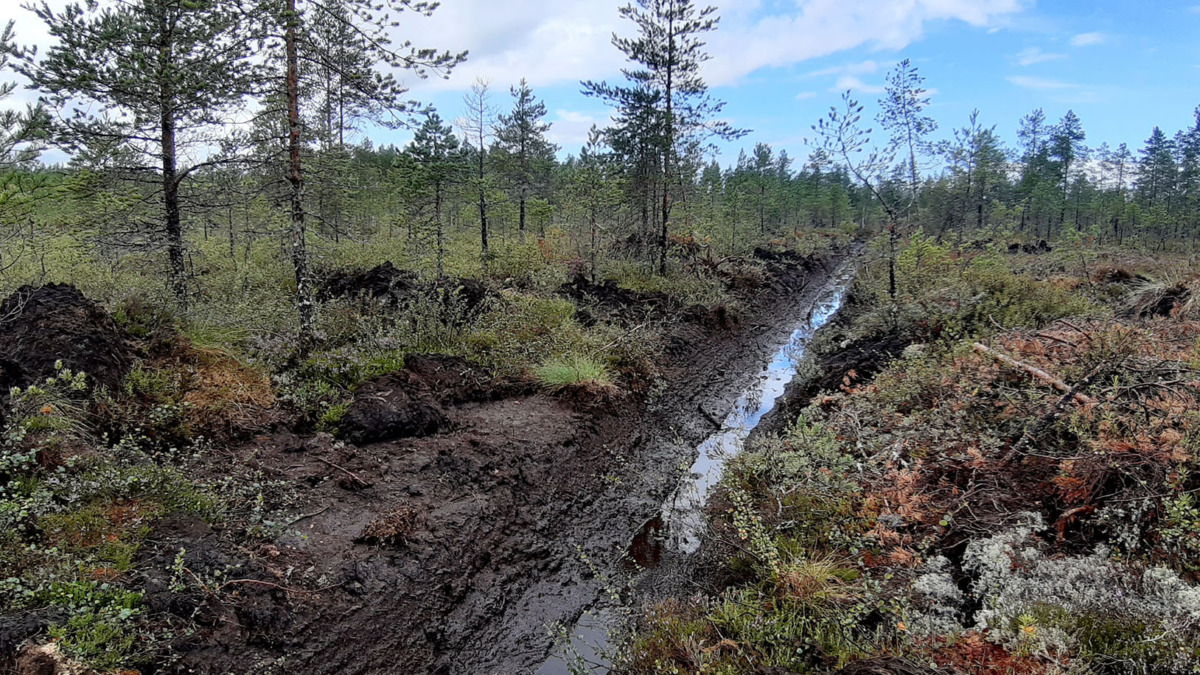
BSAG prepared a report on the need to amend the forestry drainage provisions of the Water Act and proposed five concrete amendments.
- 2025
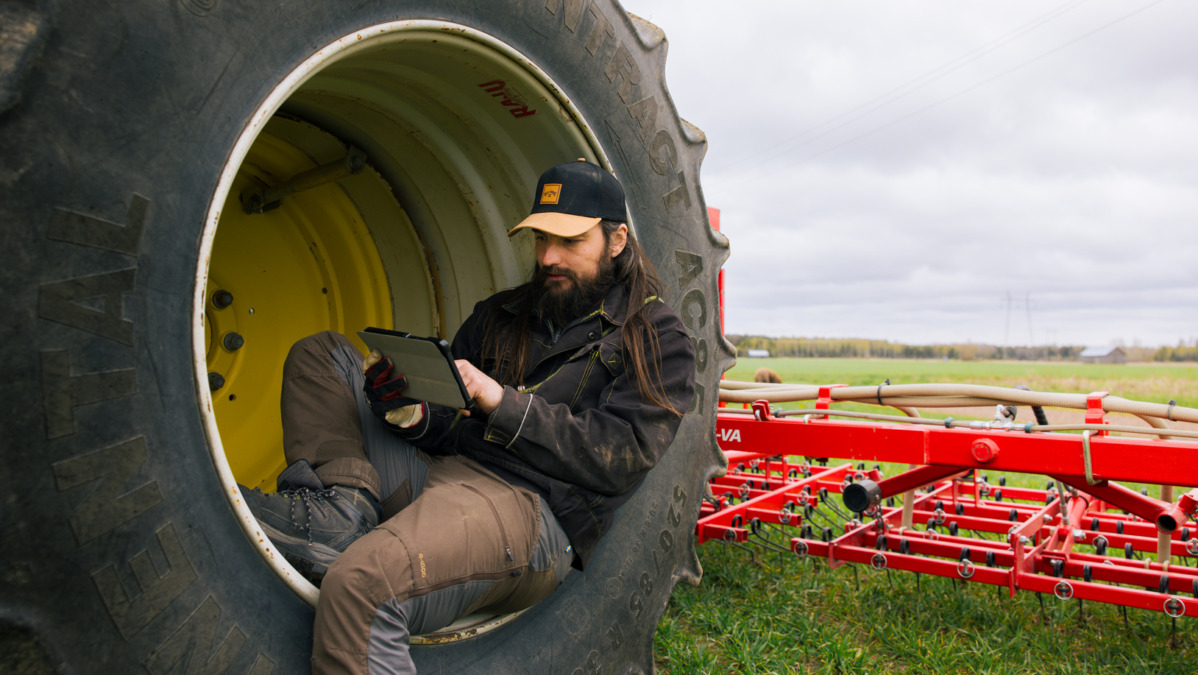
BSAG established the Forest Network.
20 forestry organisations collaborated with BSAG.

BSAG published Uudistaja, a farm development tool for regenerative agriculture. Uudistaja was adopted by 600 farmers managing a total of 61,000 hectares of farmland.
Fourteen banks in the Savings Bank Group made a joint Baltic Sea Commitment to promote regenerative agriculture.
- 2024

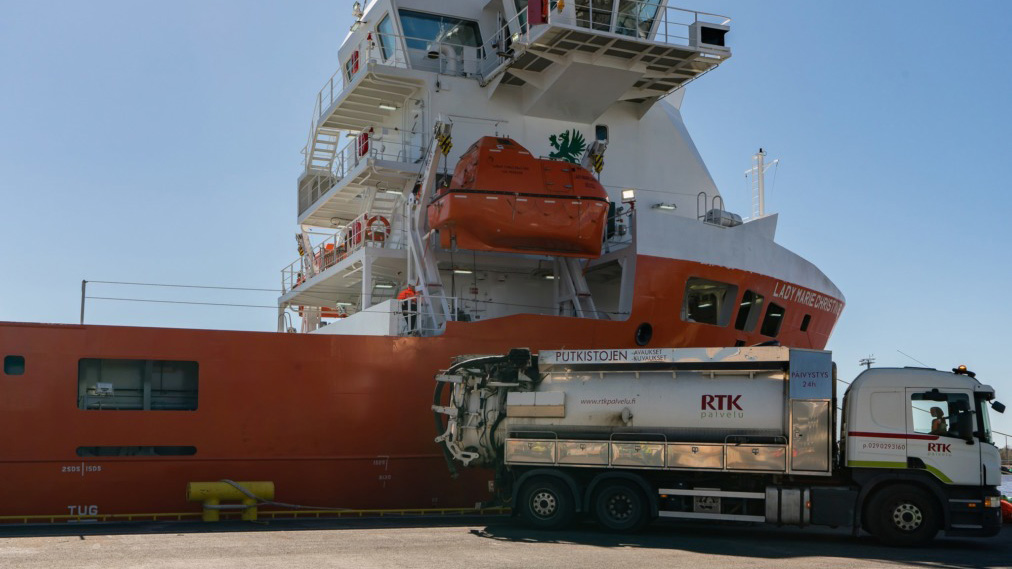
The Finnish Parliament prohibited cargo ships from discharging wastewater into Finnish territorial waters.
The private marine protected area of Stora Fagerö was established on the initiative of and with the support of BSAG.
BSAG launched the CAP (Common Agricultural Policy) initiative to influence the EU’s agricultural support policy.
BSAG launched its work to reduce the water impacts of forestry.

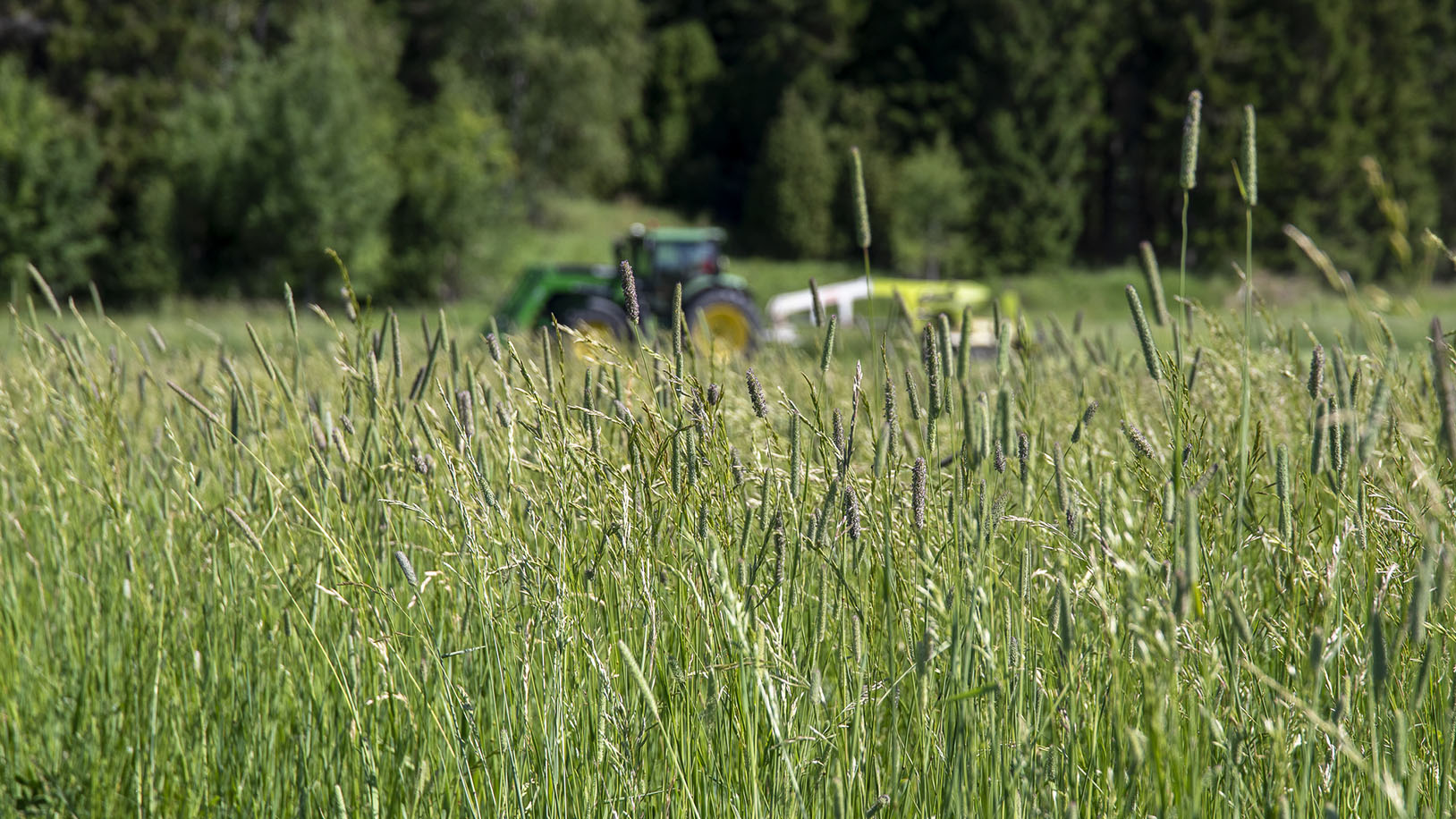
BSAG published an intensive course on regenerative agriculture for corporate representatives. During its first year, the course was completed by 320 participants.
- 2023
The legislative proposal promoted by BSAG to ban wastewater discharges from cargo ships into Finnish territorial waters progressed to the Finnish Parliament

BSAG’s Regenerative Agriculture e-Academy was launched in Sweden.
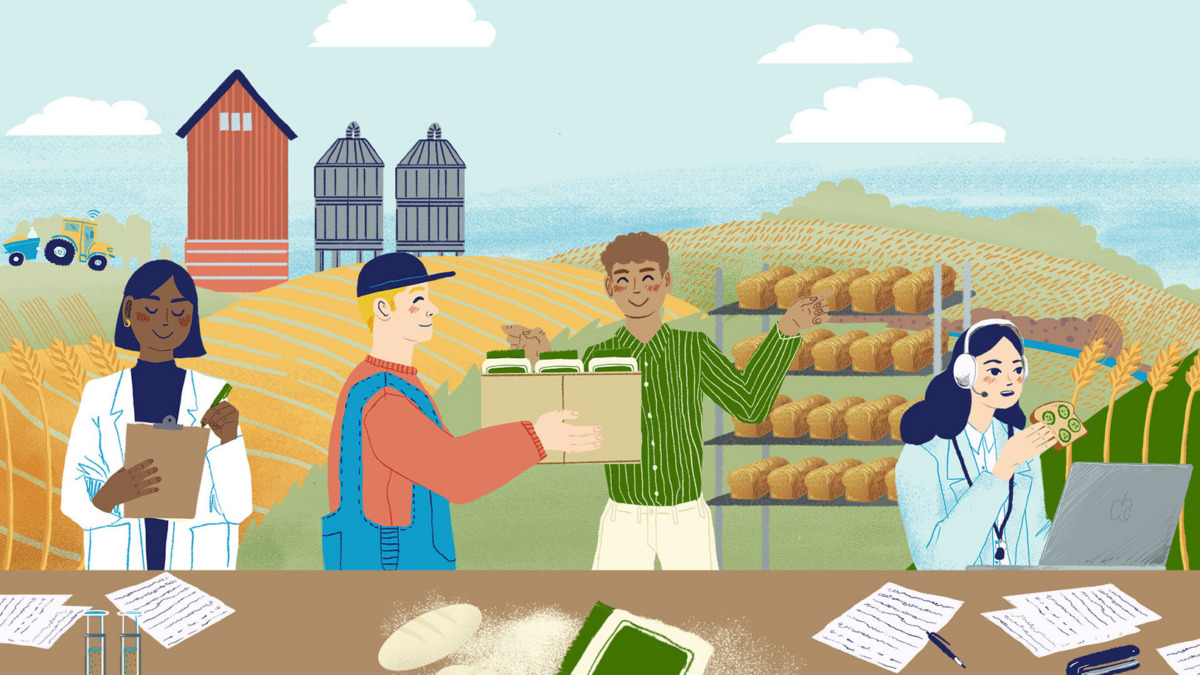
BSAG and 13 food chain companies published a joint statement in support of regenerative agriculture.
- 2022

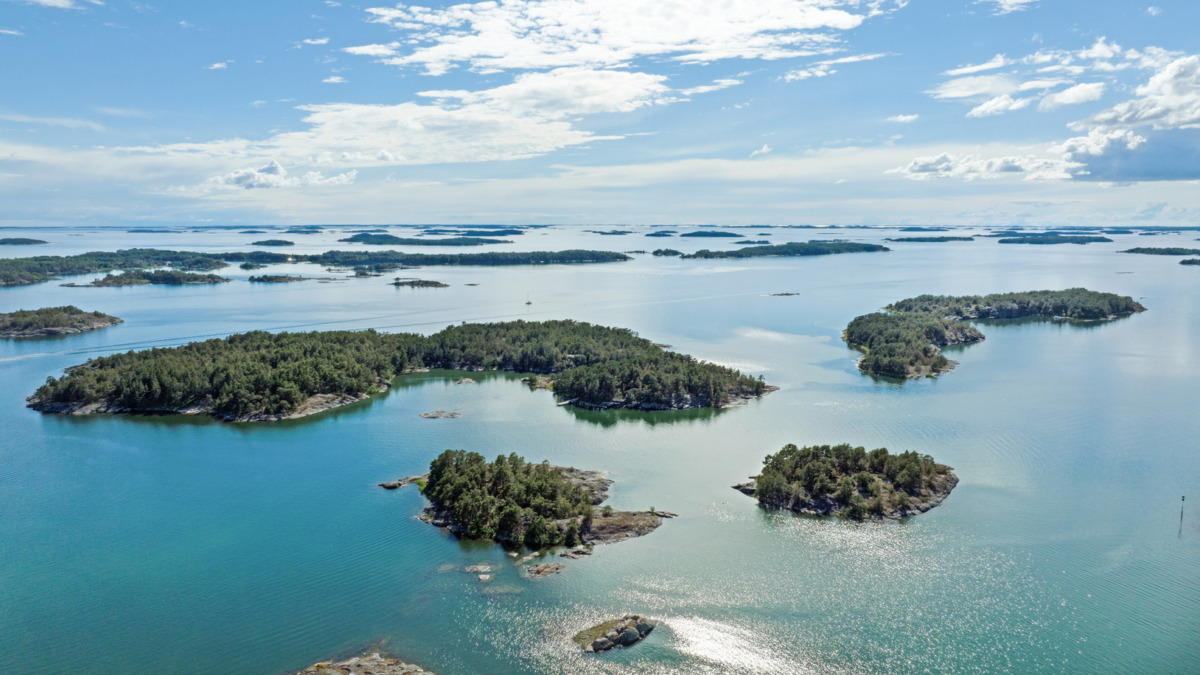
With the support of BSAG, the 4,800-hectare Gullkrona marine protected area was established. It is the largest private marine protected area in the Archipelago Sea.
BSAG surpassed the milestone of 300 Baltic Sea Commitments.
2,200 learners had registered for BSAG’s Regenerative Agriculture e-Academy.

BSAG’s Ship Waste Action work increased the amount of wastewater discharged at ports by more than threefold. More than 200 new cargo ships discharged their wastewater ashore.
The Carbon Action project portfolio expanded to €36.5 million.
The definition of regenerative agriculture developed within Carbon Action was published in the Bank of Finnish Terminology in Arts and Sciences.
- 2021

BSAG launched the Regenerative Agriculture e-Academy for farmers.
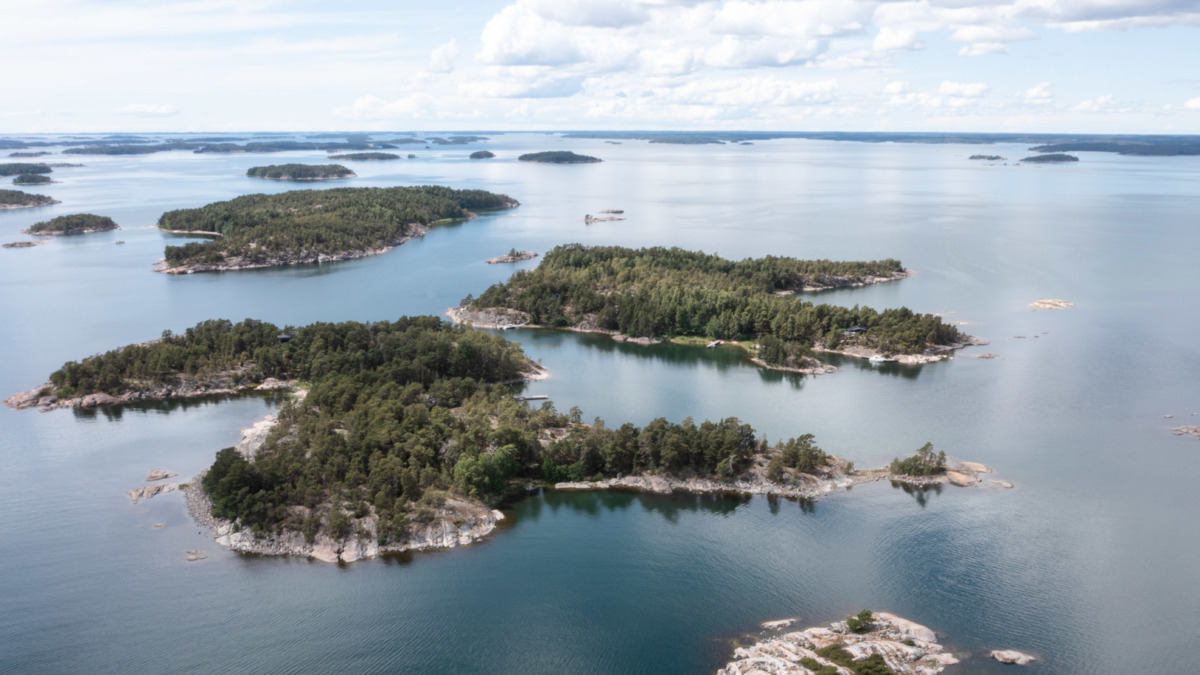
BSAG launched the Ship Waste Action work, in which wastewater from cargo ships is discharged at ports and processed into biogas.

BSAG initiated the protection process for the Gullkrona marine area.
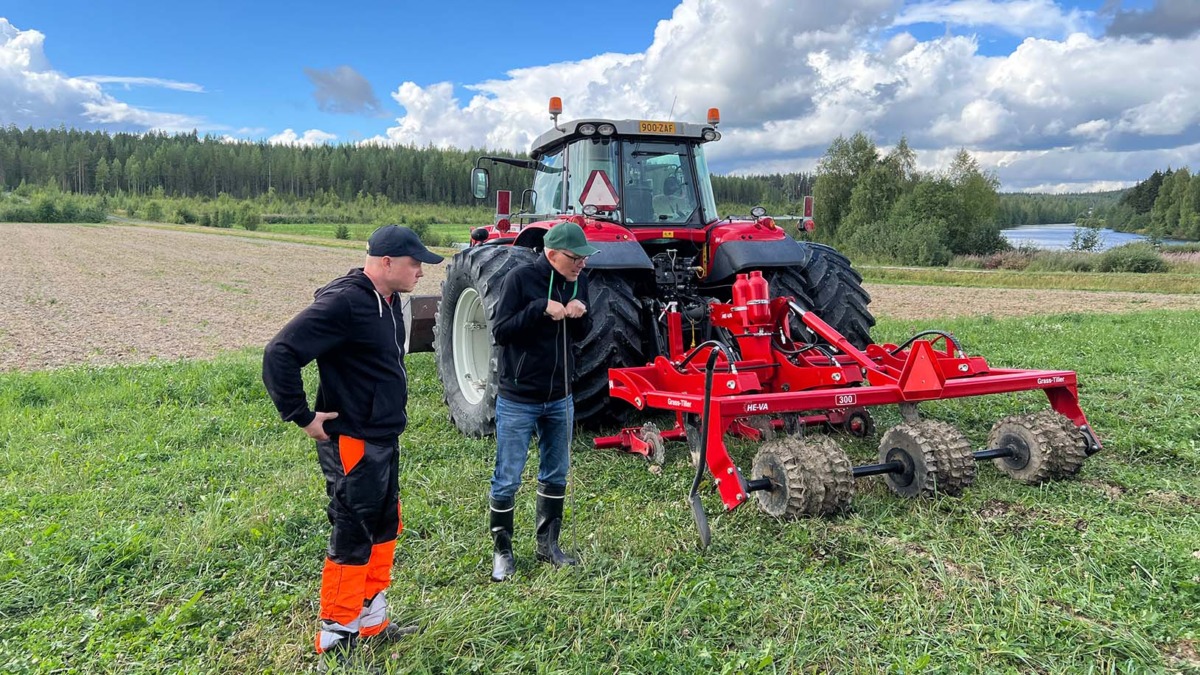
BSAG’s Carbon Action Farmers’ Club grew into a network of 1,400 members.
- 2020
BSAG began promoting regenerative agriculture (previously carbon farming) and set the goal of mainstreaming regenerative agriculture.

More than 2,000 people participated in BSAG’s carbon farming and regenerative agriculture training programmes.
- 2019
BSAG influenced the EU’s new Fertilising Products Regulation and promoted the role of recycled fertilisers.

BSAG developed the Carbon Action pilot into a broad research and collaboration platform involving 100 pilot farms and an extensive network of researchers and companies.
BSAG influenced the Finnish Government Programme, which included a reference to soil carbon sequestration.
- 2018

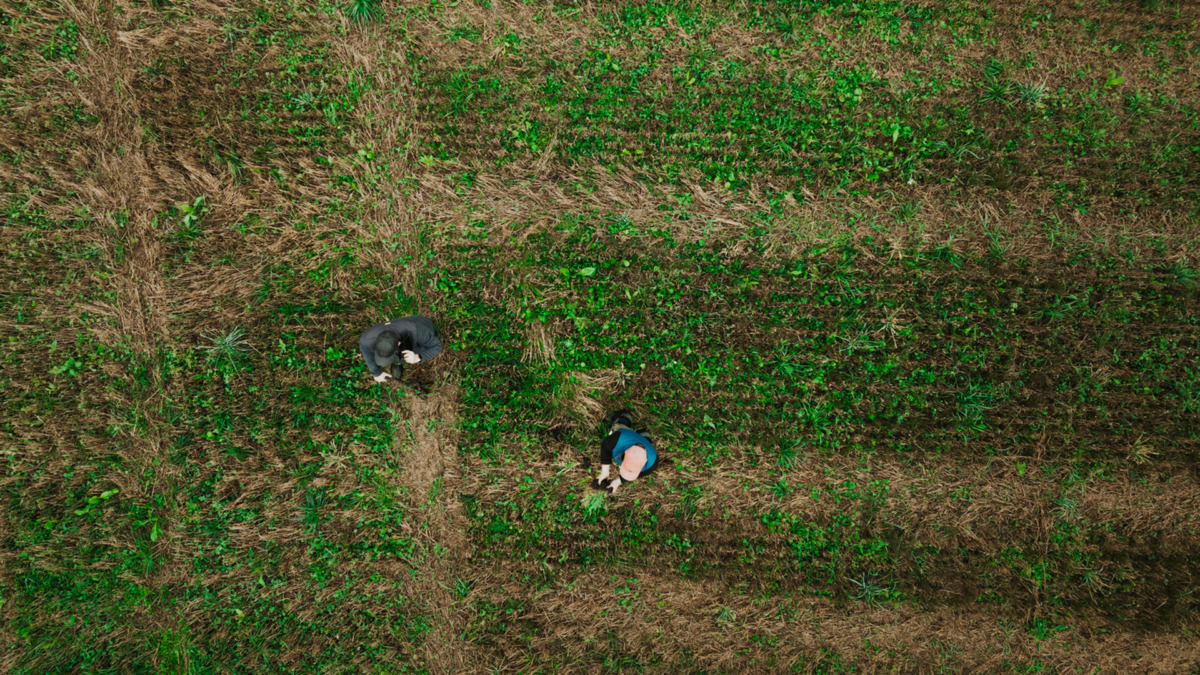
BSAG launched the Carbon Action research collaboration with 100 farmers.
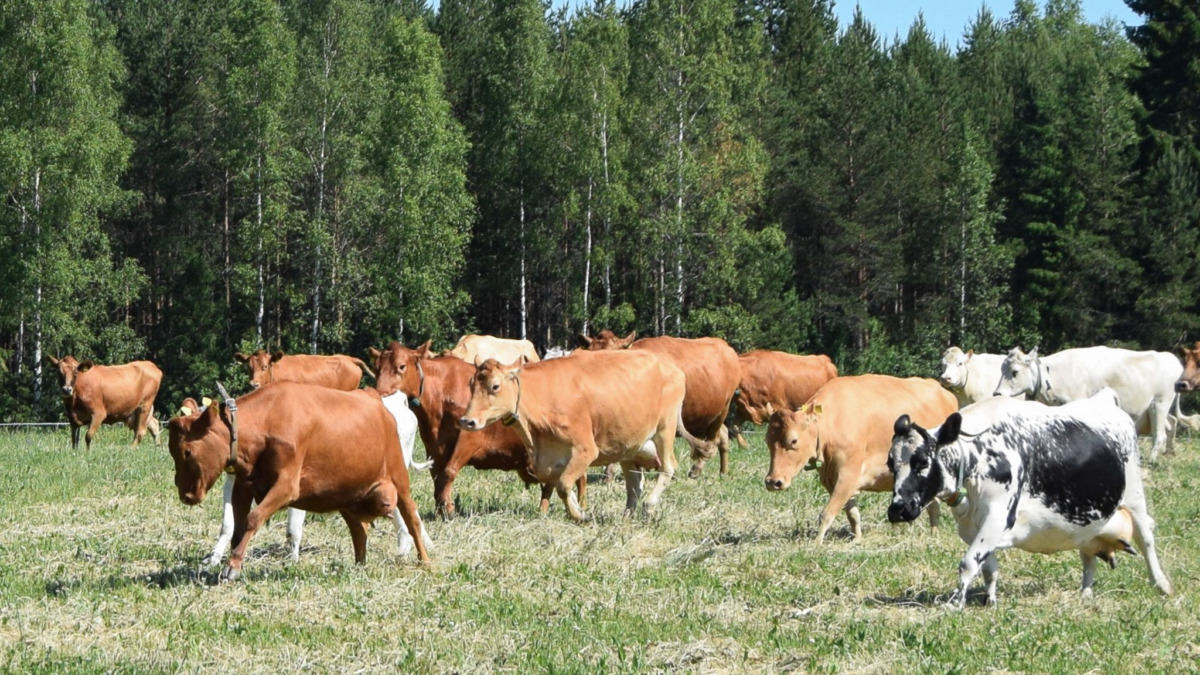
BSAG’s partner Valio committed to training approximately 5,000 contract farmers in carbon farming.
- 2017
BSAG launched nationwide Carbon Action together with the Finnish Meteorological Institute.
The Kaliningrad wastewater treatment plant became operational in accordance with Russia’s Baltic Sea Commitment.

BSAG influenced the preparation of the EU Fertiliser Regulation and strengthened the role of nutrients in the circular economy.
A total of 297 Baltic Sea Commitments had been made to BSAG.
- 2016

A total of 289 Baltic Sea Commitments had been made to BSAG.
BSAG influenced EU fertiliser legislation and promoted the role of nutrients in the circular economy.
BSAG established and managed the nutrient recycling ecosystem as part of the Finnish Government’s key project on nutrient recycling.
- 2015
BSAG ensured that nutrients were included in the EU Circular Economy Package.
BSAG influenced the Finnish Government Programme and its key projects to promote nutrient recycling.

Through the JÄRKI projects, BSAG brought nutrient recycling solutions into practical use on farms.
- 2014
The number of Baltic Sea Commitments made to BSAG increased to 246.
BSAG launched nutrient recycling pilots in Southwest Finland.

BSAG developed an EU strategy to accelerate nutrient recycling and submitted proposals promoting nutrient recycling to decision-makers in Finland.
- 2013
The Baltic Sea Action Summit continued with the Baltic Sea Summit in St Petersburg, which BSAG helped organise.
BSAG participated in creating the St Petersburg Initiative (SPI) operating model and joined its Steering Committee.

BSAG received 41 new Baltic Sea Commitments, bringing the total to 232.
Through the JÄRKI projects and EU cooperation, BSAG strengthened its role as an expert in nutrient recycling.
- 2012
BSAG began cooperation with Vodokanal, St Petersburg’s wastewater utility.

BSAG expanded its cooperation across the Baltic Sea region, including Russia, Sweden and the Baltic States.
- 2011
BSAG organised the first BSAS follow-up meeting, where representatives of all Baltic Sea countries reported on the progress of their Baltic Sea Commitments.
BSAG began preparations for the next international summit.
- 2010

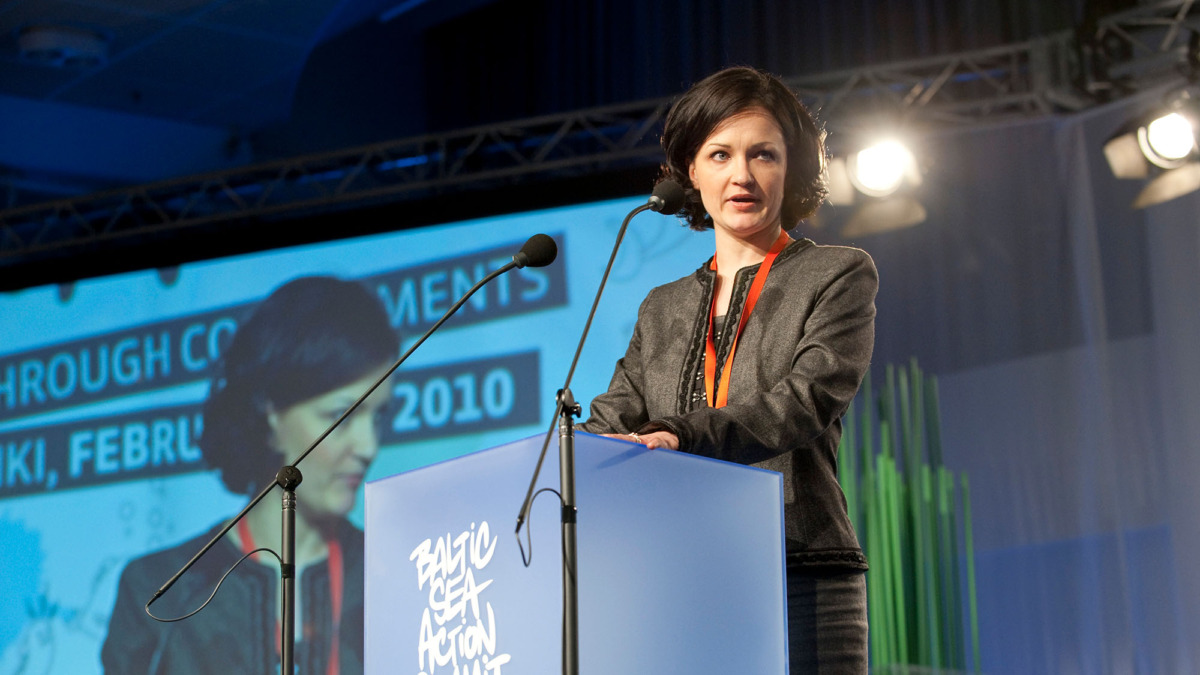
Together with a broad range of partners, BSAG organised the Baltic Sea Action Summit (BSAS), a historic summit at which more than 140 organisations committed to more than 130 concrete actions to save the Baltic Sea. Every Baltic Sea coastal state made an official Baltic Sea Commitment. Finland’s own Commitment was to become a model country for nutrient recycling. These Commitments formed the model that Baltic Sea Commitments still follow today. The week-long event received extensive international media attention, generating more than 1,500 media hits in 30 countries.
- 2009
In cooperation with the Prime Minister’s Office, the Ministry for Foreign Affairs, and the President of the Republic, BSAG put together a summit focused on the state of the Baltic Sea in about six months. The 2010 summit was attended, for the first time, by the heads of state of all the Baltic Sea coastal countries.
- 2008

Baltic Sea Action Group was established.