Sector-Specific Solutions
Nearly every company has an impact on the Baltic Sea. These impacts may arise directly through activities at sea or indirectly through agriculture, forestry and other land-based operations. In many cases, a company’s greatest impact comes not from its own operations but from its value chain.
BSAG helps companies identify where their activities have the greatest impact on the Baltic Sea and develop effective, science-based solutions to reduce it.
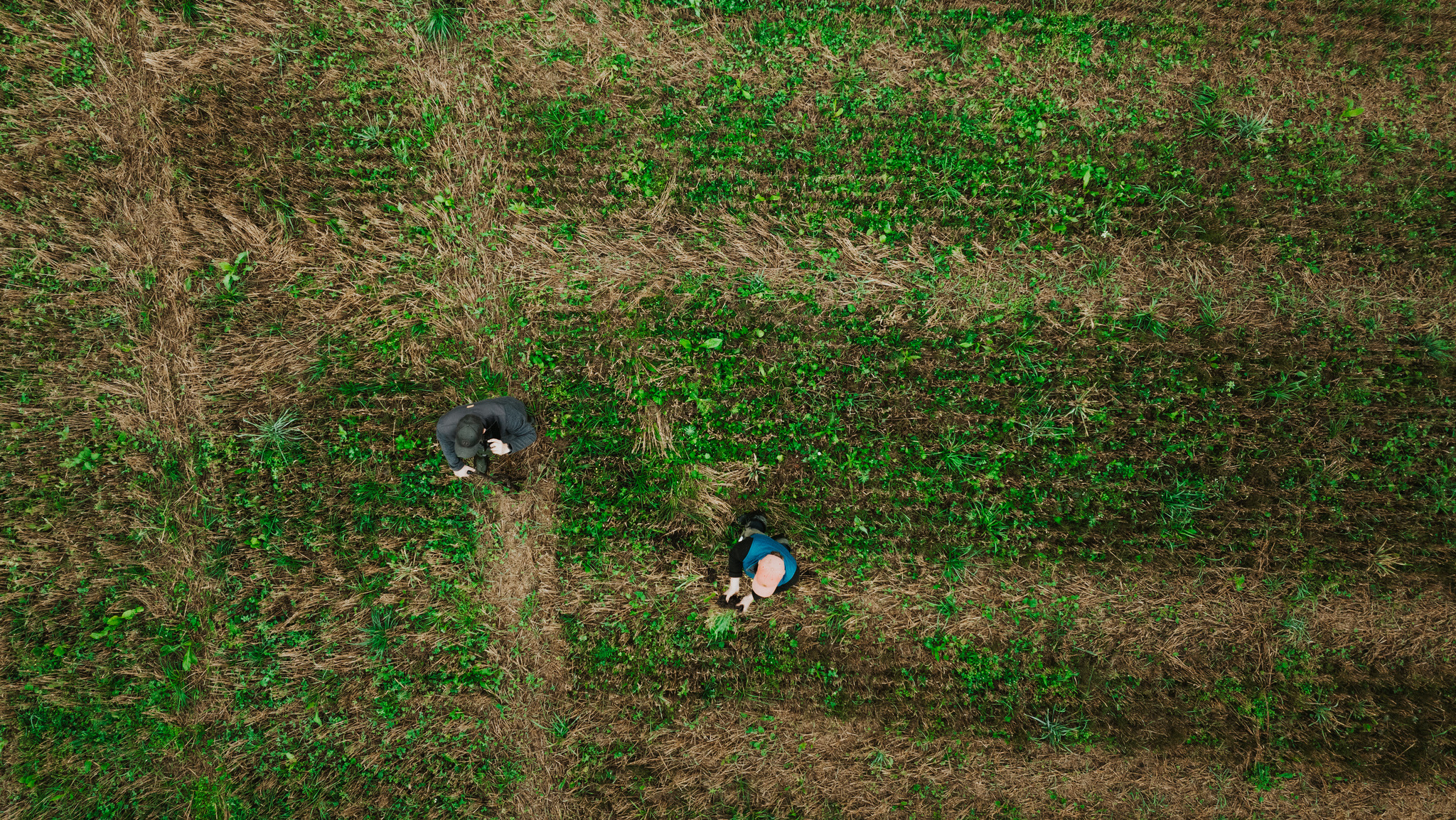
BSAG in Field
Improve the Baltic Sea from the Ground Up
For companies whose value chains include agricultural production, the largest share of their climate and environmental impact typically originates in primary production. Reducing these impacts is challenging, but it is also where companies can make the greatest difference.
Working with BSAG, companies can strengthen the sustainability of their value chains by supporting the transition to regenerative agriculture. Reducing agriculture’s impact on water systems is essential for restoring the Baltic Sea and mitigating climate change. Regenerative farming plays a key role by improving soil health and water retention, enhancing biodiversity, and reducing nutrient runoff into waterways.
BSAG helps companies identify the most effective actions and implement them together with farmers and other stakeholders.
Which industries have Baltic Sea impacts through agriculture?
The greatest Baltic Sea impacts of agricultural businesses naturally originate on farmland. However, many other sectors can also reduce their impacts by supporting regenerative agriculture, including food and beverage companies, retailers, restaurants and food service providers, financial institutions, and insurance companies.
What can companies do?
Companies can reduce the environmental impacts of food production by supporting the transition to regenerative agriculture throughout their value chains. This may include helping contract farmers adopt regenerative farming practices, integrating regenerative agriculture into sourcing and procurement criteria, and raising awareness among customers and stakeholders. Companies can also contribute by participating in BSAG’s projects or supporting our work through donations to accelerate the adoption of regenerative farming.
Our experts help identify the most effective actions for your business. Creating a more sustainable food system requires collaboration across the entire value chain: from farmers and food companies to retailers, financial institutions and policymakers. Many leading companies are already working with BSAG to drive this transition.
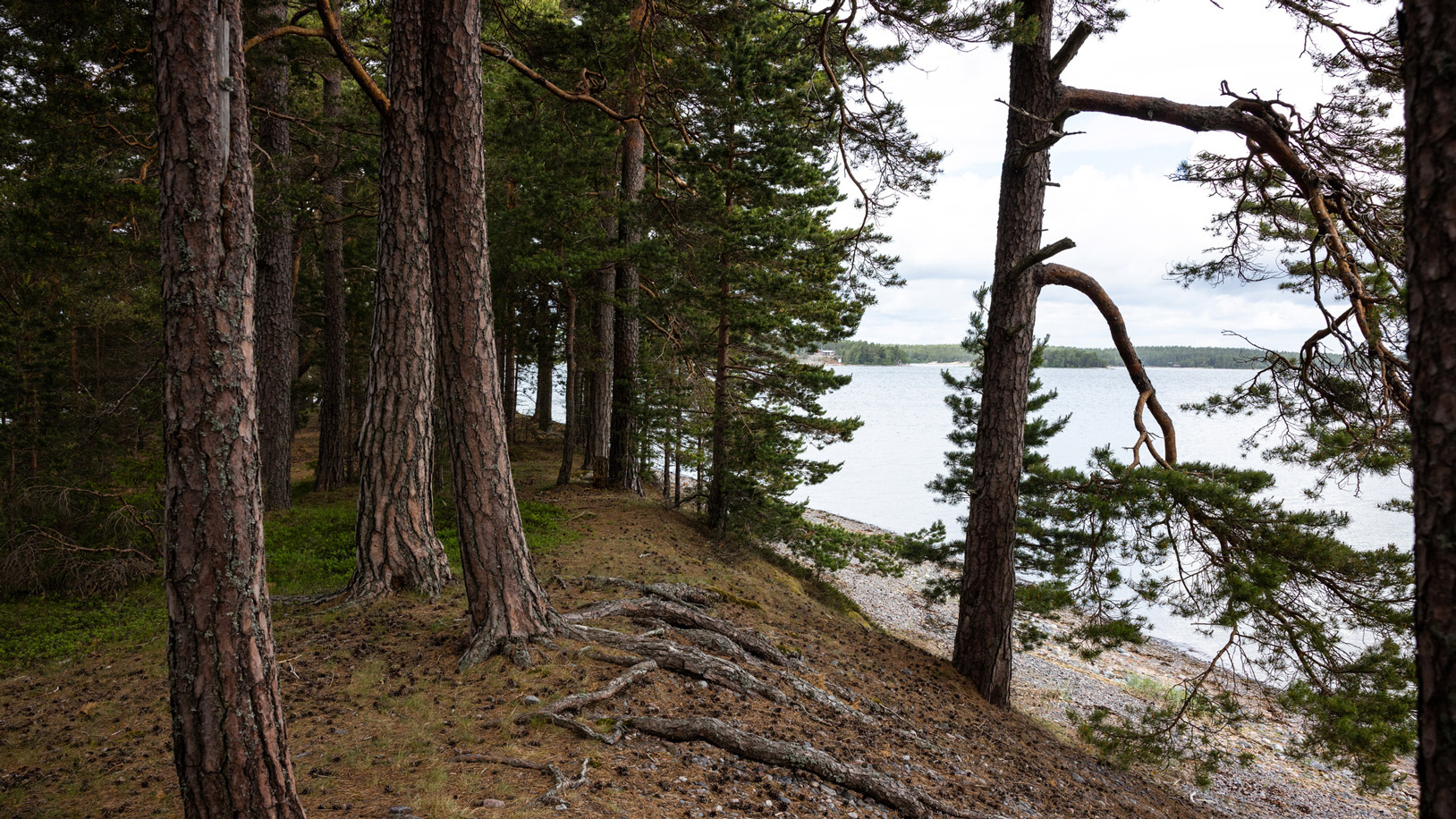
BSAG in Forestry
Improve the Baltic Sea through Sustainable Forestry
Almost every company has at least an indirect connection to forests through its value chain. Forestry operations can affect water systems through harvesting, soil preparation, ditch maintenance, stream crossings and drainage. In many cases, forest management practices continue to follow established routines rather than being based on site-specific environmental needs.
Reducing the water impacts of forestry is essential for restoring the Baltic Sea and mitigating climate change. Fortunately, many cost-effective solutions already exist.
BSAG works to reduce the impacts of forestry on water systems and decrease the land-based nutrient and sediment loads entering the Baltic Sea. Together with BSAG, companies can identify and implement effective measures to reduce these impacts.
Which industries have impacts on the Baltic Sea through forestry?
Companies involved in timber procurement or forest ownership naturally have significant forestry-related impacts. However, almost every company purchases forest-based products such as paper, cardboard, packaging materials, furniture or timber products. This means that purchasing decisions throughout the economy influence forestry practices.
What can companies do?
Companies can reduce the environmental impacts of forestry by considering the climate, biodiversity and water impacts of forest use in their construction and investment projects, improving the environmental management of forests they own, and strengthening their understanding of forest certification schemes. They can also promote more sustainable sourcing by progressively transitioning from uncertified timber through PEFC-certified wood towards FSC-certified or AEFC certified raw materials.
In addition, companies can support BSAG’s work through donations that advance sustainable forestry and improve the health of the Baltic Sea. Our experts can help identify the most effective actions for your organisation.
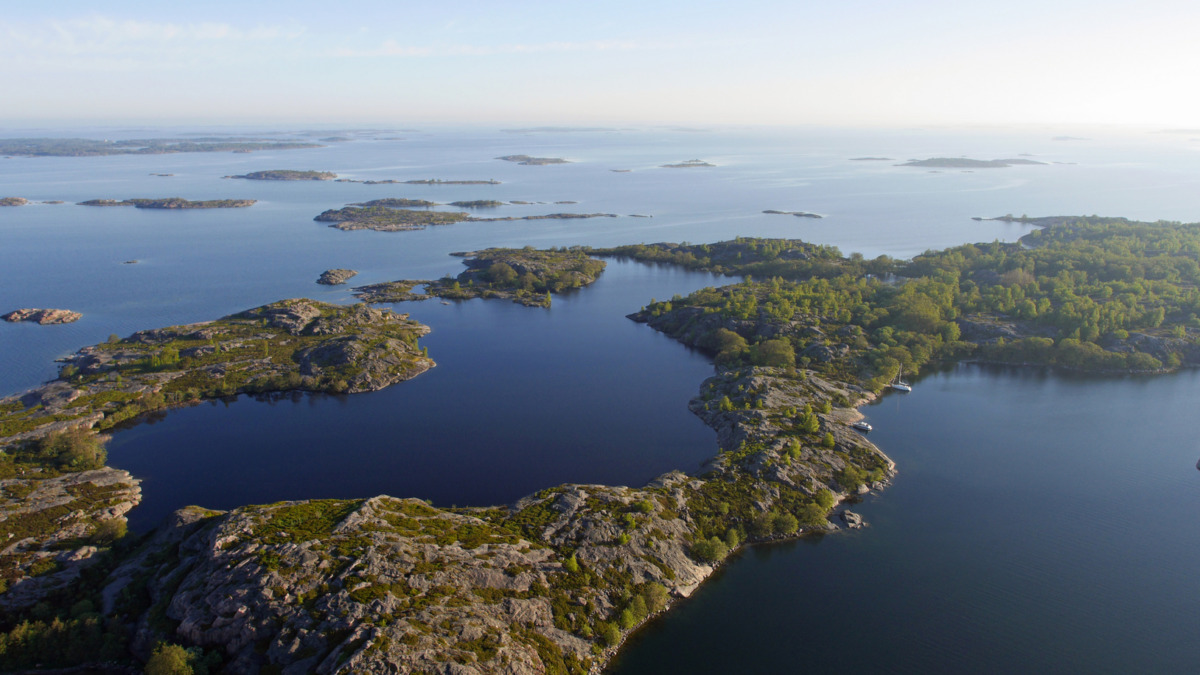
BSAG at Sea
Improve the condition on the Baltic Sea through actions at the sea
Alongside our work in agriculture and forestry, BSAG works directly to protect the Baltic Sea’s marine environment.
We advance marine conservation by influencing environmental legislation and establishing marine protected areas in cooperation with private water area owners.
One example of our successful advocacy is the Finnish Parliament’s approval in December 2024 of legislation prohibiting cargo ships from discharging wastewater into the Baltic Sea within Finland’s territorial waters. BSAG also helps companies reduce the environmental impacts of maritime transport throughout their value chains.
In addition, we have developed a pioneering model for protecting privately owned marine areas. Companies have a unique opportunity to support this work and contribute directly to safeguarding valuable marine habitats.
Which industries have impacts on the Baltic Sea at sea?
Companies whose value chains rely on maritime transport have significant opportunities to reduce their impacts on the Baltic Sea. Since most international freight is transported by sea, almost every company is connected to the Baltic Sea through shipping.
Companies that own marine areas can also contribute directly by protecting valuable aquatic habitats.
What can companies do?
Companies that own marine areas containing valuable or threatened species and habitats can establish a private marine protected area with BSAG’s guidance. Alternatively, they may choose to sell the area to the Finnish state for conservation purposes. Both options provide permanent protection for marine biodiversity.
Companies whose supply chains depend on shipping can reduce pollution by requiring shipping operators to discharge wastewater at ports instead of into the Baltic Sea.
Companies can also support BSAG’s marine conservation work through donations.
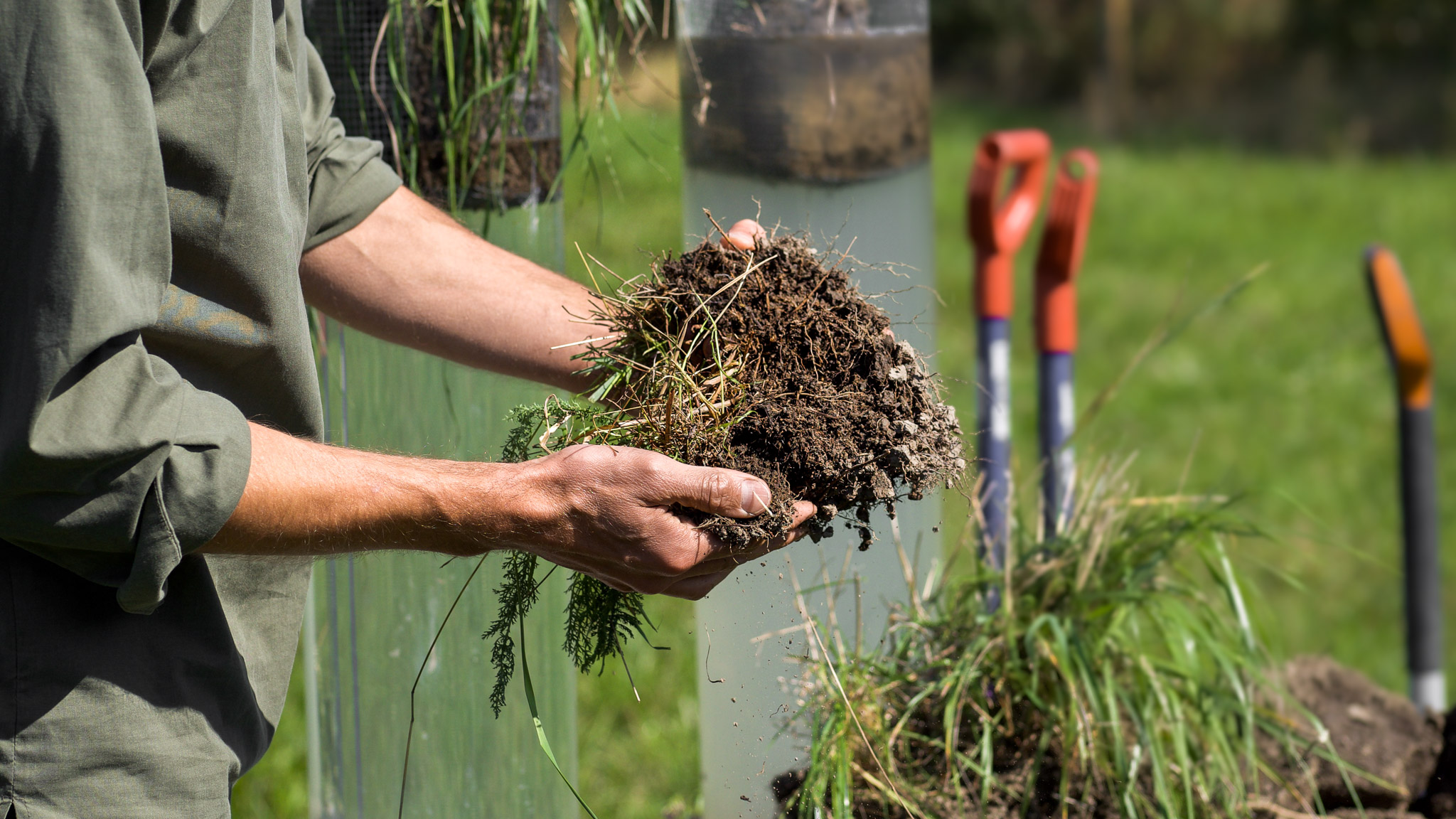
Carbon Action Network
Carbon Action is a collaboration network established by BSAG and the Finnish Meteorological Institute to accelerate the adoption of regenerative agriculture.
Farmers are at the heart of this transition, but lasting change requires collaboration across the entire food system. Carbon Action brings together farmers, researchers, businesses and policymakers to develop practical, science-based solutions.
Participating companies gain access to BSAG’s expertise, collaborative projects, workshops and events that support the reduction of agriculture’s environmental impacts.
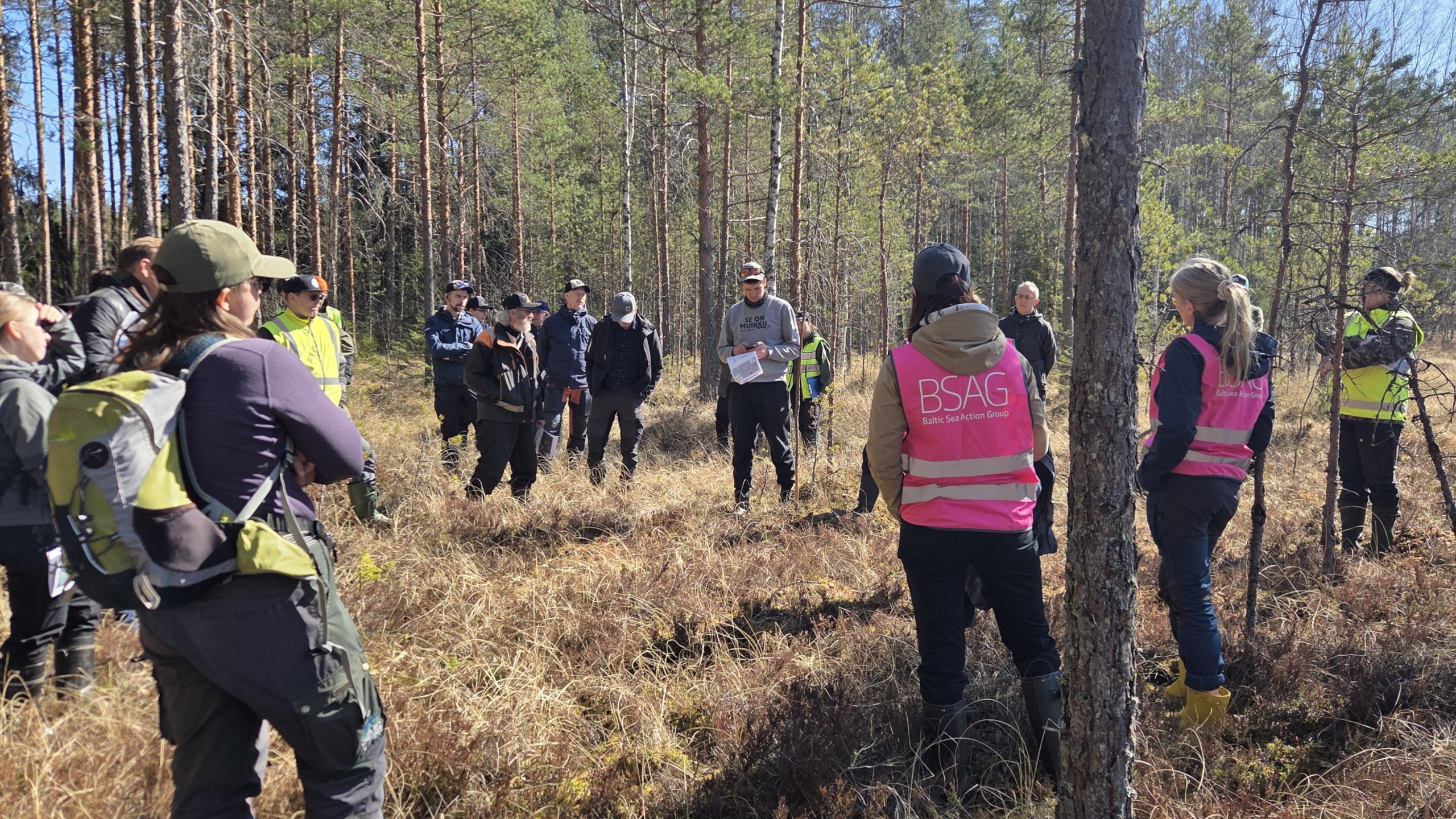
BSAG’s Forest Network
BSAG’s Forest Network brings together forestry companies, forest professionals, forest owners and researchers to promote economically and environmentally sustainable forestry. The network provides access to the latest research, practical solutions and peer learning, with a particular focus on reducing the impacts of forestry on water systems. Members participate in events and expert discussions and help shape the network’s future activities and priorities.
Do you have a question or would you like to collaborate with us?
We’d love to hear from you. Whether you have a question, an idea or a potential collaboration in mind, you can get in touch with us via the contact form.
Together, we can do more for the Baltic Sea.
"*" indicates required fields
Contact us for more information