ANORA
Anora is carrying out long-term environmental work for the Baltic Sea through regeneratively grown barley. Anora has been a BSAG partner since 2015, and from the very start, the collaboration has centred on a shared goal: a healthier Baltic Sea and more sustainable agriculture.
Collaboration in a seashell
Anora‘s Baltic Sea Commitment for 2026–2030 is the company’s third. During the first commitment period, Anora focused on reducing water consumption and supporting contract farmers in more nutrient-efficient farming. Work then continued on the Carbon Action platform to promote regenerative agriculture. During the second commitment period, contract farmers took part in research by testing regenerative farming methods on their own farms. Anora also launched the world’s first vodka made from regeneratively grown barley, Koskenkorva Vodka Climate Action. Together with BSAG, Anora also organised training on regenerative agriculture and strengthened related communications. By 2024, 20 farms were already participating in Anora’s programme for the regeneratively grown barley.
3
Baltic Sea Commitments
10+
years of collaboration
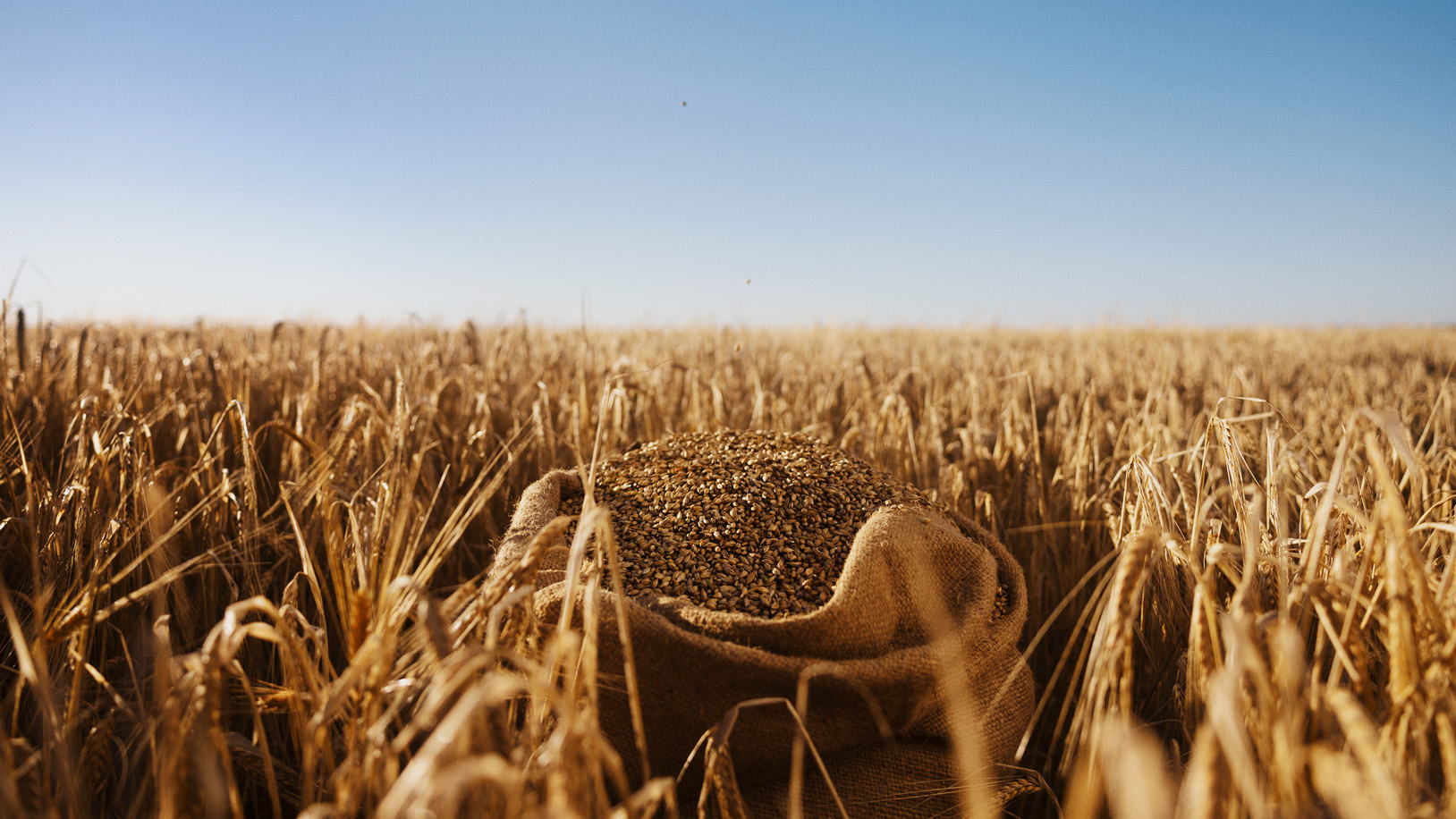
The world’s first vodka made from barley grown using regenerative methods.
Baltic Sea Commitment
Anora has given to Baltic Sea Action Group (BSAG) a Baltic Sea Commitment for the years 2026–2030. Anora commits to working closely with its contract producers to promote regenerative agriculture, reduce agriculture’s environmental impact, and offer consumers increasingly responsible products. In addition, Anora is committed to actively working on the Carbon Action corporate platform together with BSAG’s researchers and other key stakeholders.
Commitment objectives
- Started
Uudistavasti viljellyn ohran osuuden kasvattaminen
Anora commits to promoting regenerative agriculture, with the goal of increasing the share of regeneratively grown barley to 30% of its own grain spirit products by 2030.
- To be started later
Updating contract farming terms
Anora commits to updating the criteria for contract farming of regeneratively grown barley during the commitment period. The aim is to strengthen the farming’s impact on the Baltic Sea and the environment, and to bring Anora’s practices closer to BSAG’s criteria for regenerative grain farming.
Areas of development work include:
• Adding regenerative farming plans to the programme
• Diversifying crop rotation
• Defining a minimum level of plant cover
• Moving towards minimum tillage
• Refining fertiliser use and clarifying threshold values
• Increasing biodiversity - Started
Training
Anora commits to providing farmers who grow barley regeneratively with the training and support they need to have sufficient expertise to meet the criteria for regenerative agriculture.
The training themes include regenerative farming practices, such as biodiversity measures and precision farming.
The training is planned and carried out in collaboration with BSAG. - Started
Other contract producers
Anora communicates about regenerative agriculture to its other contract producers through multiple channels, such as events, trade fairs, newsletters, and the producers’ extranet.
Communication measures are planned together with BSAG. The aim is to increase producers’ awareness of the benefits and practices of regenerative agriculture and to encourage farmers to gradually transition towards regenerative farming methods. - Started
Consumer awareness
Anora commits to increasing consumer awareness of regenerative agriculture as part of its sustainability communications. Communication measures are planned together with BSAG.
The aim is to make the principles of regenerative agriculture visible and understandable to consumers, for example through the following means:
• Communicating about regenerative agriculture on product packaging, the website, and social media channels.
• Using storytelling based on farmers’ experiences and the effects of farming on soil and the Baltic Sea.
• Collaborating at consumer events and campaigns that explain the significance of regenerative agriculture in food production. - Started
Involvement in Carbon Action companies’ development work
Anora commits to actively participating in the development work carried out on the Carbon Action platform. The more specific themes of this development work will be defined during the commitment period and may include, for example, developing harmonised practices, measuring and verifying impacts, and strengthening value chain collaboration models.
- Started
Stakeholder communications
Anora communicates about the work and results of the Carbon Action platform as part of the company’s general communications, such as on its website, social media, press releases, and reports.
As part of the commitment, Anora supports BSAG’s environmental work for the Baltic Sea with an annual donation for the duration of the commitment. The donation will be agreed in a separate donation letter.
Progress on the commitment is reviewed together with BSAG annually.
Information about the partner company
Anora is the Nordic region’s leading wine and spirits brand house, exporting alcoholic beverages to more than 30 countries. The main raw materials for Anora’s alcohol production are Finnish barley and pure groundwater. The Koskenkorva distillery uses around 180 million kilograms of Finnish barley per year. This accounts for approximately 15% of Finland’s entire barley harvest and over 30% of the barley sold in Finland. Around 1,500 farmers supply responsibly grown Finnish barley to the Koskenkorva plant.
Anora has set science-based emissions reduction targets, aiming to achieve net-zero emissions across its entire value chain by 2050. A key target in Anora’s sustainability roadmap is to raise the share of regeneratively grown barley in its grain spirit-based products to 30% by 2030. This target for promoting regenerative agriculture also supports the achievement of the value chain’s emissions reduction goals.
Continuously improving field soil health is a cost-effective investment in the future. Within the wide toolkit of regenerative farming methods, everyone is sure to find methods suited to their own fields for developing their farming and improving soil health and productivity.
Kari Kiltilä, Procurement Manager, Anora

Do you have a question or would you like to collaborate with us?
We’d love to hear from you. Whether you have a question, an idea or a potential collaboration in mind, you can get in touch with us via the contact form.
Together, we can do more for the Baltic Sea.
"*" indicates required fields
Contact us to learn more